

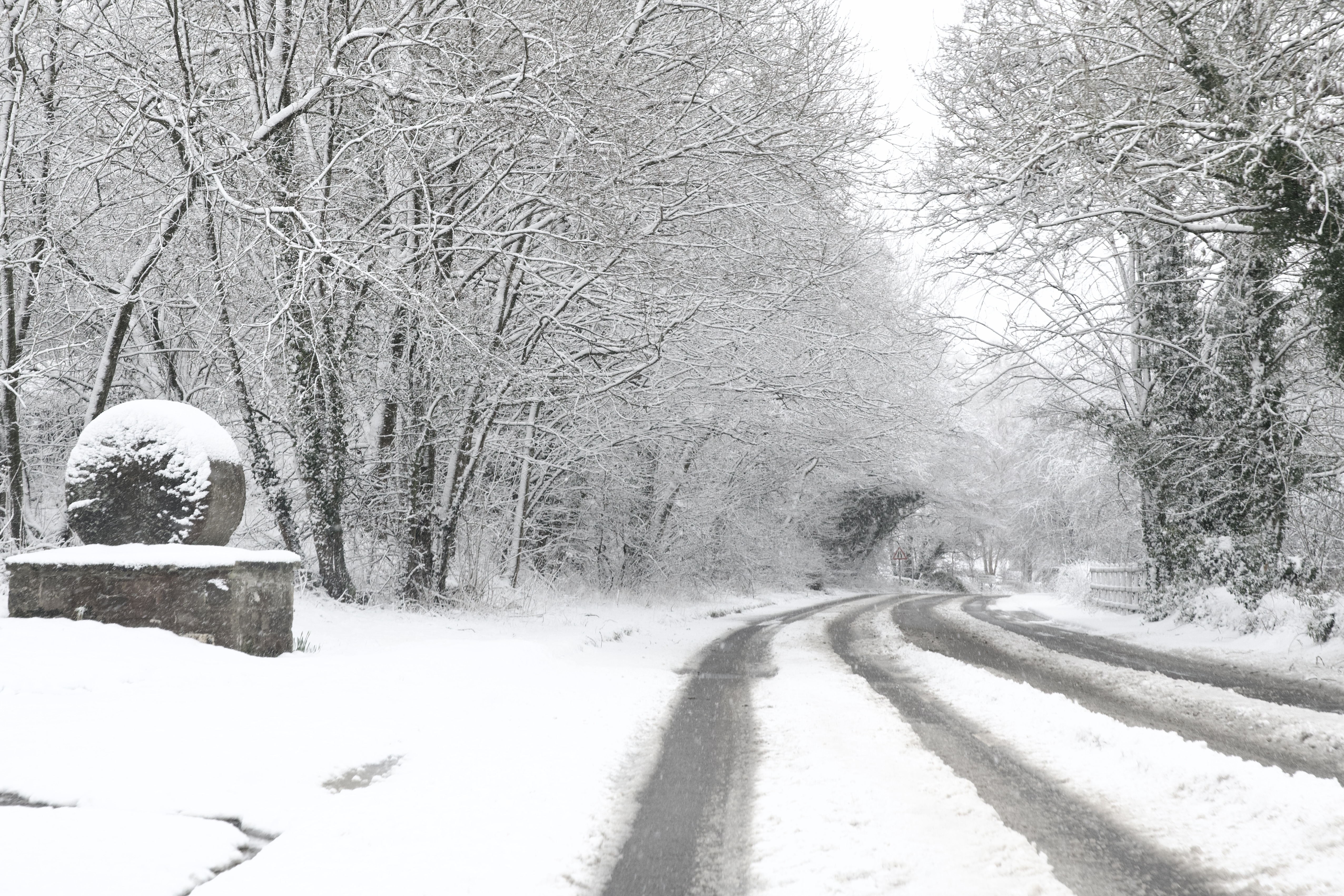
Important update from Derbyshire County Council & Derbyshire Police
Due to the severe weather warning we have made the decision to close several of our highest roads from 6pm tonight (8 January 2026) until they are safe to use:
• The A57 Snake Pass, from the junction with the A6013 to Glossop
• The A54/A537 Cat and Fiddle, from the junction with Leek Road, Buxton to the county boundary
• The A6024 Holme Moss, from the junction with the A628 to the county boundary
• The A53 Axe Edge, from the junction with Grin Low Road, Buxton to the county boundary
• The A5004, Long Hill, from the Horwich End traffic lights at Whaley Bridge to the A53 St John’s Road, Buxton
This is not a decision they have taken lightly, and is based on public safety. DCC understands that the National Highways will close the Woodhead Pass tonight, and it has been announced that there will be no trains through the Hope Valley from Manchester to Sheffield.
In addition the Via Gellia (A5012) is also closed tonight, from just after Woodside Cafe after the junction with the road to Bonsall up to Grangemill (the junction with the B5056).
Please share this information with those you think need it. Heavy snow is forecast so please do not travel unless your journey is essential.
Advice from Derbyshire Police
We’ve seen a lot of snow and ice over the last week across Derbyshire with more forecast and we have responded to many incidents of drivers getting caught out in the challenging conditions that the weather presents.
Even the most experienced of drivers can become victim to black ice, so we’d like to remind all road users of the importance of driving to the conditions of the road.
For some new drivers, this may be your first winter as a car owner. If it is, it’s important to adapt your driving to the conditions of the road and follow our top tips below.
If you drive a manual vehicle, pull away slowly, use second gear if required to keep the revs low and maintain traction, easing your foot off the clutch to avoid wheel-spin. When driving accelerate gently, use low revs, and change up to a higher gear as quickly as possible. Approach corners steadily, steer smoothly and avoid braking on bends.
If you drive an automatic car our advice is similar. Drive slowly and anticipate corners and hills so that you can drop and raise your speed gradually. If you have a newer model of automatic car, check if you have a ‘snow mode’ or ‘winter driving mode’. You won’t be able to use engine braking in an automatic car, so it’s vital to reduce speed and brake gently.
All drivers should also:
· Leave extra time before setting off on a journey to thoroughly defrost your vehicles, ensuring your windscreens and lights are completely clear, and to give yourself time to allow for slower driving conditions.
· Drive slowly and maintain safe stopping distances. Extend the space between you and the car ahead, as in bad weather it can take ten times longer to come to a stop.
· Give more warning than usual to other drivers when turning, stopping or changing lane.
· If you happen to skid, steer gently into it and try not to brake or accelerate until you’re back in control.
· When driving uphill, leave plenty of room in front or wait until it is clear so that you can maintain a constant speed.
· Check your tyres to ensure they have the legal tread required. Tyres with less tread are more likely to lose grip with the road.
· Plan your route before leaving, check for delays and road closures and pack essentials in your car, such as warm clothing, boots with a good tread and a shovel if possible.
· Ensure your mobile phone is fully charged and let others know the route you are taking.
· If possible, avoid driving in snowy/icy weather.
Please have patience with other drivers and remember that you might be experienced in winter driving, but for others this could be their first time in snow and ice.